Frequently Asked Questions
What is the most common radiograph in orthodontics?
The most common radiograph in orthodontics is the panoramic radiograph, which provides a comprehensive view of the entire mouth, including teeth, jaws, and surrounding structures. Panoramic radiographs are essential for orthodontic treatment planning and monitoring progress.
Are orthodontists also dentists?
Orthodontists are dentists who specialize in the alignment of teeth and jaws. While all orthodontists are dentists, not all dentists are orthodontists. Orthodontists undergo additional training after dental school to become experts in orthodontic treatment.
Are orthodontist consultations free?
Yes, orthodontist consultations are free at Elevation Orthodontics in East Nashville, TN. Patients can schedule a complimentary exam to discuss treatment options and receive a clear treatment plan from Dr. Brice. Contact the office for more information or to book an appointment.
Are all orthodontists doctors?
Yes, all orthodontists are doctors. They are specialized dentists who have completed additional training and education to focus on correcting teeth and jaw alignment issues. Orthodontists typically hold a Doctor of Dental Surgery (DDS) or Doctor of Dental Medicine (DMD) degree.
Are orthodontists covered by FSA?
Orthodontic treatment, including services provided by orthodontists, is typically eligible for Flexible Spending Account (FSA) reimbursement. FSA funds can be used for orthodontic procedures, such as braces or Invisalign, as they are considered qualified medical expenses. It's advisable to check with your FSA provider for specific coverage details.
Are orthodontists covered by insurance?
Orthodontic treatment is often covered by dental insurance, but coverage varies. It's essential to check with your insurance provider to understand the specifics of your plan, including any deductibles, co-pays, or limitations. Some plans may cover a portion of orthodontic treatment costs, especially for children, while others may offer limited coverage for adults.
Where can I have something 3D scanned in Nashville?
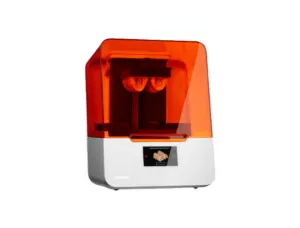
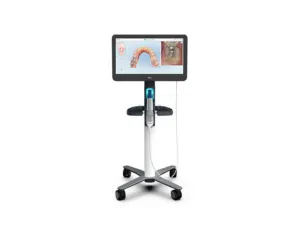
You can have something 3D scanned in Nashville at Elevation Orthodontics in East Nashville. They use the iTero digital scanner for accurate and comfortable scans, offering cutting-edge orthodontic technology with in-house 3D printing capabilities for custom retainers. Contact them for more information or to schedule an appointment.
Are braces done by an orthodontist?
Yes, braces are typically done by an orthodontist. Orthodontists are specialized dentists who focus on the alignment of teeth and jaws. They have the expertise and training to provide orthodontic treatments like braces to correct misalignments and improve smiles effectively.
Are orthodontist ad pictures photoshopped?
Orthodontist ad pictures may be edited or enhanced but not necessarily photoshopped. Editing can include color correction, lighting adjustments, and minor touch-ups to improve clarity. It's essential to consult with the orthodontist directly to understand the authenticity of the images used in their advertisements.
Are orthodontists and dentists the same?
Orthodontists and dentists are not the same. While both work on oral health, orthodontists specialize in aligning teeth and jaws, while dentists focus on overall oral health, including cleanings, fillings, and other general dental care. Orthodontists require additional training beyond dental school to become specialists in orthodontics.
Are orthodontists happy with their job?
Orthodontists generally report high job satisfaction due to helping patients achieve beautiful smiles, improving oral health, and building relationships. The variety of cases, positive outcomes, and the ability to make a difference contribute to their overall happiness in the profession.
What types of braces do orthodontists offer?
Orthodontists offer various types of braces, including traditional metal braces, ceramic braces, lingual braces, and clear aligners like Invisalign. Each option has its benefits and is suitable for different orthodontic needs. Patients can discuss with their orthodontist to determine the best choice for their treatment.
How does 3D scanning improve orthodontic treatment?
3D scanning in orthodontic treatment improves accuracy, precision, and patient comfort compared to traditional impressions. It allows for better treatment planning, faster turnaround times, and the creation of custom retainers. This technology enhances patient understanding and engagement in their orthodontic care, leading to more effective outcomes.
Which orthodontic treatments are insurance eligible?
Orthodontic treatments like braces and Invisalign are often eligible for insurance coverage, but coverage varies depending on the insurance plan. It's essential to check with your insurance provider to understand your specific coverage details and any potential out-of-pocket costs. Some insurance plans may cover a portion of the treatment costs, while others may not cover orthodontic treatments at all.
Can FSA funds be used for orthodontics?
Yes, Flexible Spending Account (FSA) funds can typically be used for orthodontic treatment, including InBrace. FSA funds can cover expenses such as braces, clear aligners, retainers, and other orthodontic procedures, making them a valuable option for managing orthodontic costs. It's advisable to check with your FSA provider for specific details on eligible expenses.
Do orthodontists perform dental surgeries?
Orthodontists do not typically perform dental surgeries. They specialize in straightening teeth and aligning jaws using braces, aligners, and other orthodontic treatments. Oral surgeons, on the other hand, are trained to perform surgical procedures on the teeth, jaws, and surrounding tissues.
How often should orthodontic photos be updated?
Orthodontic photos should be updated every 6-8 weeks to track progress accurately and adjust treatment as needed. Regular updates ensure optimal results and treatment efficiency.
What distinguishes orthodontists from general dentists?
Orthodontists specialize in aligning teeth and jaws, focusing on bite correction and straightening teeth. They undergo additional training beyond dental school to become experts in orthodontic treatment, offering specialized care for braces, Invisalign, and other orthodontic appliances. General dentists provide overall oral health care, including cleanings, fillings, and general dental treatments.
Are free consultations common with orthodontists?
Free consultations are common with orthodontists, including Elevation Orthodontics in East Nashville. They offer a free exam to new patients, providing an opportunity to discuss treatment options and receive personalized recommendations without financial commitment. This approach allows patients to explore orthodontic care without initial costs or obligations.
How accurate are 3D scans for braces?
3D scans for braces are highly accurate, providing precise images for treatment planning. The iTero digital scanner used at Elevation Orthodontics ensures detailed scans, improving the overall orthodontic process and treatment outcomes.
Do orthodontists provide teeth whitening services?
Yes, orthodontists can provide teeth whitening services as part of their offerings. In addition to orthodontic treatments like braces and Invisalign, many orthodontic practices also offer teeth whitening services to enhance the overall appearance of a patient's smile. This comprehensive approach allows patients to address both alignment and aesthetics in one place, under the care of their orthodontist.
Are digital impressions better for orthodontic work?
Yes, digital impressions are better for orthodontic work due to their accuracy, comfort, and efficiency compared to traditional impressions. The iTero digital scanner provides precise 3D scans, guiding treatment like Invisalign. In-house 3D printing allows for custom retainers.
How long does orthodontic treatment typically last?
Orthodontic treatment typically lasts between 18 to 24 months, but the duration can vary based on individual needs and complexity of the case. Consistent follow-up appointments and proper care can help achieve the best results within the estimated timeframe.
Do orthodontists use traditional x-rays or 3D?
Orthodontists use 3D scans, like the iTero digital scanner, for more accurate and comfortable impressions. This technology is safer, quicker, and allows for precise treatment planning, including Invisalign. Traditional x-rays are less commonly used in orthodontic practices due to the advancements in 3D imaging technology.
Can orthodontists correct all types of malocclusions?
Orthodontists can correct various types of malocclusions, including overbites, underbites, crossbites, and crowded teeth. Treatment options like braces, Invisalign, and appliances can address these issues effectively. However, severe cases may require surgical intervention in conjunction with orthodontic treatment for optimal results.
What technology do orthodontists use for diagnostics?
Orthodontists use the iTero digital scanner for diagnostics, providing accurate, comfortable 3D scans of teeth. This technology aids in treatment planning, including for Invisalign, and enables the creation of custom retainers using in-house 3D printing technology for post-treatment maintenance.
Are Invisalign treatments offered by all orthodontists?
Invisalign treatments are not offered by all orthodontists. Only orthodontists who have completed specialized training and are certified by Invisalign can provide this treatment option. It's essential to seek out an orthodontist specifically trained in Invisalign for the best results.
How do orthodontists ensure patient satisfaction?
Orthodontists ensure patient satisfaction by offering advanced technology like the iTero digital scanner for accurate impressions, personalized treatment plans, and clear communication. In-house 3D printing technology allows for custom retainers, while virtual consultations and convenient appointment hours cater to patient needs.
Is sedation dentistry used in orthodontics?
Yes, sedation dentistry can be used in orthodontics for patients with anxiety or special needs. It helps relax patients during procedures, making the experience more comfortable. Sedation options vary from nitrous oxide to IV sedation, depending on the patient's needs and the complexity of the treatment.
Can orthodontists treat TMJ disorders effectively?
Orthodontists can help with TMJ disorders by aligning the teeth and jaws, reducing strain on the joint. However, for comprehensive treatment, collaboration with a TMJ specialist or oral surgeon may be necessary for optimal results. Treatment options may include orthodontic appliances, splints, or surgery, depending on the severity of the condition.